

Blockfills Halts Withdrawals: 3 Critical Liquidity Signals Behind the Sudden Crypto Lending Shock
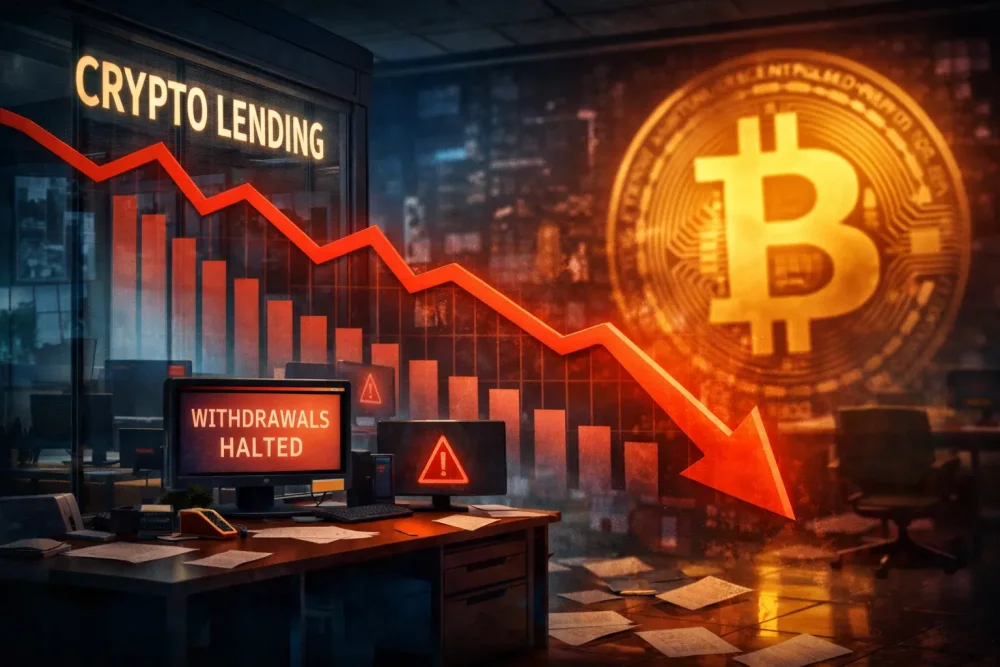
The sudden announcement that Blockfills halts withdrawals has sent a fresh wave of anxiety across the digital asset lending market, reigniting concerns about liquidity fragility in centralized crypto credit platforms. The Chicago-based crypto lender, reportedly backed by CME-linked interests, confirmed it temporarily suspended customer withdrawals as it works to restore liquidity — a move that immediately drew comparisons to previous liquidity crises in the sector.
The decision underscores a broader structural issue facing crypto lending platforms in 2026: tightening liquidity conditions, counterparty risk exposure, and increased institutional caution amid volatile macroeconomic signals.
Why Blockfills Halts Withdrawals Matters Now
When a platform announces it halts withdrawals, the market no longer views it as an isolated operational hiccup. Instead, it is interpreted through the lens of systemic risk — particularly after the collapses of major centralized lenders in past cycles.
Blockfills operates as a digital asset lending and trading firm serving institutional clients. Its business model reportedly includes over-the-counter (OTC) trading, liquidity provision, and crypto-backed lending. A sudden withdrawal suspension suggests liquidity mismatch — typically when short-term liabilities (customer withdrawals) exceed immediately accessible liquid assets.
In traditional finance, this resembles a classic liquidity crunch. In crypto markets, however, the speed of capital flight is significantly faster due to 24/7 trading and on-chain settlement transparency.
3 Critical Liquidity Signals Behind the Move
1. Counterparty Stress in Institutional Crypto Lending
Institutional crypto lenders often extend credit backed by digital assets. During periods of price volatility, collateral values can fluctuate dramatically. If counterparties fail to meet margin calls or collateral thresholds, lenders can quickly face liquidity strain.
With Bitcoin and major altcoins experiencing heightened volatility in recent weeks, margin pressure across leveraged positions may have intensified.
Berita Terkait




Komentar (0)
Tulis Komentar
Belum ada komentar untuk artikel ini. Jadilah yang pertama memberikan tanggapan!